 EN
EN

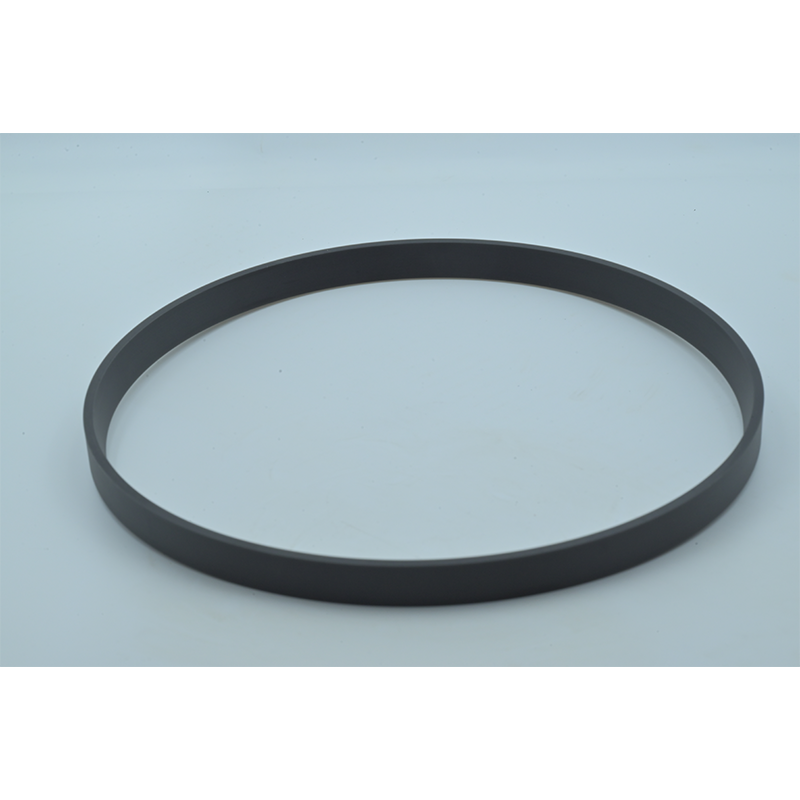
In the demanding environment of hydraulic fracturing and high-pressure fluid handling, equipment reliability is not merely an operational goal—it is a safety mandate. High-pressure pumps endure relentless stress, and their internal components inevitably face degradation over time. Properly managing the replacement of high pressure pump parts is the single most effective way to prevent catastrophic failures, reduce unexpected downtime, and protect field personnel from the hazards of high-pressure energy release.
Setting the Stage for a Safe Swap
Safety begins long before a single bolt is turned. The most fundamental rule in pump maintenance is the total neutralization of energy. This involves absolute adherence to pressure relief protocols, ensuring the fluid end is completely depressurized, and confirming that the prime mover is effectively isolated. Utilizing professional Lock-Out, Tag-Out (LOTO) procedures eliminates the risk of accidental activation. When working with heavy-duty pump hardware, visual verification of gauges and manual verification of flow lines are mandatory to ensure that no residual pressure remains trapped within the system.
| Safety Step | Action Item | Purpose |
| De-pressurization | Open bleed valves | Eliminate potential energy |
| Energy Isolation | LOTO prime mover | Prevent accidental startup |
| PPE Deployment | Eye and hand protection | Mitigate debris/chemical hazard |
Identifying the Signs of Component Fatigue
Not every pump issue requires a full replacement. Precision diagnostics can distinguish between normal operational wear and early-stage structural failure. Field technicians often look for specific "wear signatures": cavitation pitting on valve seats, scouring on plunger surfaces, or deformation in seals. Distinguishing these patterns allows operators to proactively replace high pressure pump parts during scheduled downtime, effectively transforming a potential emergency into a routine maintenance task. This proactive approach is the hallmark of sophisticated, high-performance fracturing fleets.
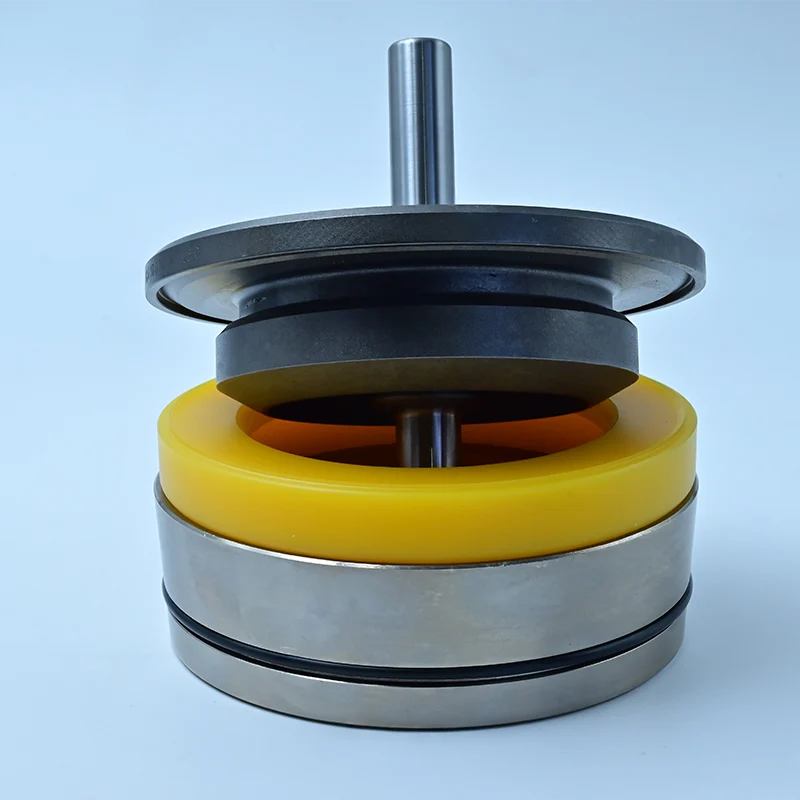
Precision Execution During Assembly
Once the worn component is removed, the installation of new parts demands surgical precision. High-pressure systems are unforgiving of misalignment or improper torque. Using factory-recommended lubricants on threads and seals is essential to prevent galling, while strict adherence to torque specifications—applied with calibrated tools—ensures that seals seat perfectly. Skipping these steps or using improvised methods often leads to premature failure of the new part, a mistake that is both costly and entirely avoidable through rigorous mechanical discipline.
| Maintenance Task | Common Pitfall | Best Practice |
| Torque Application | Over-tightening bolts | Use calibrated torque wrenches |
| Seal Placement | Pinching or twisting | Apply assembly lubricant |
| Alignment | Forceful insertion | Verify seating with gauges |
Engineering Reliability for Global Energy Projects
Reliability in high-pressure environments relies heavily on the quality of the replacement parts themselves. Standard hardware often lacks the metallurgical integrity required for sustained fracturing cycles. JuliPetro addresses this challenge by integrating advanced heat treatment and precision-forging techniques into every component produced. By optimizing the supply chain to provide consistent, high-grade high pressure pump parts, JuliPetro empowers field teams to perform replacements with confidence, knowing the equipment is built to handle the most punishing subsurface pressures. Investing in quality components from a trusted source is the most reliable strategy for extending asset life and securing long-term operational success.