 EN
EN

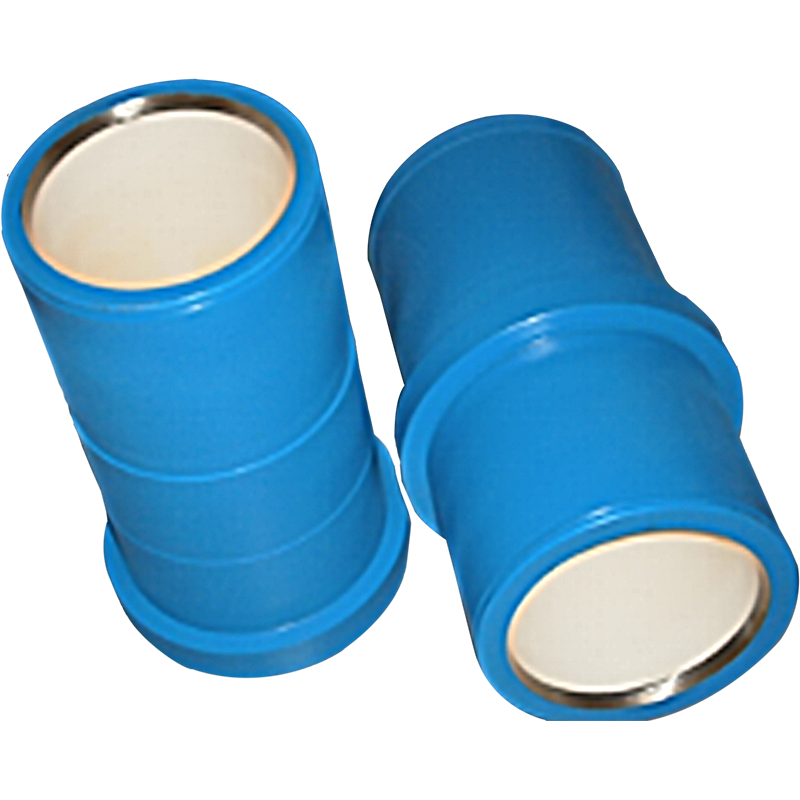
1. Field Realities: Personal Observations from High-Pressure Drilling
Supervising a complex deep well exploration project in the challenging Permian Basin last winter showed me that neglecting high-pressure fluid systems always triggers catastrophic equipment failure.
Our drilling crew faced severe unscheduled downtime because an inexperienced maintenance shift overlooked standard piston wash filtering protocols. This expensive lesson proved that discovering what maintenance prevents mud pump liner damage is an absolute necessity for modern rig superintendents.
-
The Core Hazard: Running high-density abrasive slurries through structural wear sleeves without monitoring real-time cooling fluid flow rates leads to intense localized frictional heat. This destroys mechanical integrity and instantly drains your operational budget.
-
The Solution: Once we overhauled our systemic flushing schedules and switched to high-durability modular replacements, our fluid end operating life extended far past project expectations.
Moving away from reactive, patch-up fixes toward structured preventative care protocols completely simplifies site layout planning and protects assets from expensive structural blowouts.
2. Technical Tribology Analysis & Surface Wear Variables
Diving deep into the industrial tribology and mechanical physics of high-pressure reciprocating fluid ends requires a comprehensive analysis of micro-abrasive wear paths, seal deflection parameters, and thermal expansion dynamics.
Material Integrity Under Extreme Stress
To accurately evaluate how to prevent liner damage, petroleum engineers must look at how specialized dual-metal alloy designs or ceramic matrix composites handle continuous high-velocity solid impacts:
-
Bi-Metal Design: Premium outer steel jackets provide immense structural rigidity, while high-chrome iron inner sleeves require flawless concentric alignment with the reciprocating piston hub to prevent uneven micro-gouging.
-
Fluid Chemistry: Analyzing engineering variables involves tracking the chemical composition and pH levels of the circulating drilling fluids. Corrosive chemical environments easily degrade surface finishes if the cooling wash isn't continuously refreshed.
When elite engineering teams manufacture high-performance wear components, maintaining exact dimensional roundness tolerances ensures identical parts can be swapped across heavy power frames without losing structural sealing integrity.
3. Industry Standards & Global Mechanical Performance Protocols
According to formal equipment reliability validation manuals published by international drilling compliance networks like the American Petroleum Institute (API), establishing a rigorous volumetric testing ledger is a fundamental rule for achieving modern sustainable exploration certifications.
Industry Warning: Using unverified, poorly fitted fluid components in hyper-pressure circulation loops drastically shortens the operational lifespan of expensive reciprocating hardware.
Asset operations groups must plan for systematic daily inspection checkmarks, ensuring you monitor maintenance routines to secure exceptionally low operational costs across years of multi-tier tenant transitions. Selecting fully certified modular fluid-end components drastically reduces metallic material waste during rig modernizations while keeping your workspace completely compliant with international industrial safety mandates.
4. Systemic Maintenance Steps for Hydraulic Asset Longevity
Executing a highly reliable and completely seamless fluid system layout reconfiguration involves following a clear sequence of practical deployment actions:
-
Safe Disassembly: Field maintenance crews should always utilize specialized hydraulic pullers to pull up modular worn panels carefully when accessing underlying fluid connection hubs. This verifies mechanical tolerances without introducing unexpected scratching.
-
Precision Alignment: When rearranging dense high-volume mud processing assemblies or setting up tailored piston wash line configurations, adjusting the underlying threaded alignment bolts ensures the entire assembly grid remains perfectly centered.
-
Digital Logging: Securing your utility mapping charts with updated digital tracking logs stabilizes future workspace maintenance cycles, allowing your facilities team to manage fast rig expansions smoothly.
5. Premium Engineering Solutions for Global Energy Infrastructures
Achieving an exceptionally quiet, perfectly leveled, and thoroughly optimized high-speed structural circulation layout ultimately depends on sourcing your wear hardware from a trusted industrial pioneer focused on strict quality metrics.
This is exactly where our advanced structural solutions at Juli Petro deliver immense value. We provide:
-
Top-tier bi-metal components
-
High-density ceramic designs
-
Specialized modular wear assemblies engineered to help you instantly leverage preventative maintenance while upgrading your technical facility.
When global drilling project managers deploy our premium structural floor networks, they experience highly consistent load tolerances, superior fluid distribution control, and true dimensional accuracy. Our comprehensive commercial portfolio features precision-molded steel components, eco-friendly core materials, and advanced wear-resistant coatings, making it simpler than ever to maintain structural integrity under changing business demands.
Tags: #MudPumpMaintenance #DrillingEngineering #PermianBasins #APICertification #JuliPetro #IndustrialTribology #PPEandSafety
Table of Contents
- 1. Field Realities: Personal Observations from High-Pressure Drilling
- 2. Technical Tribology Analysis & Surface Wear Variables
- 3. Industry Standards & Global Mechanical Performance Protocols
- 4. Systemic Maintenance Steps for Hydraulic Asset Longevity
- 5. Premium Engineering Solutions for Global Energy Infrastructures